

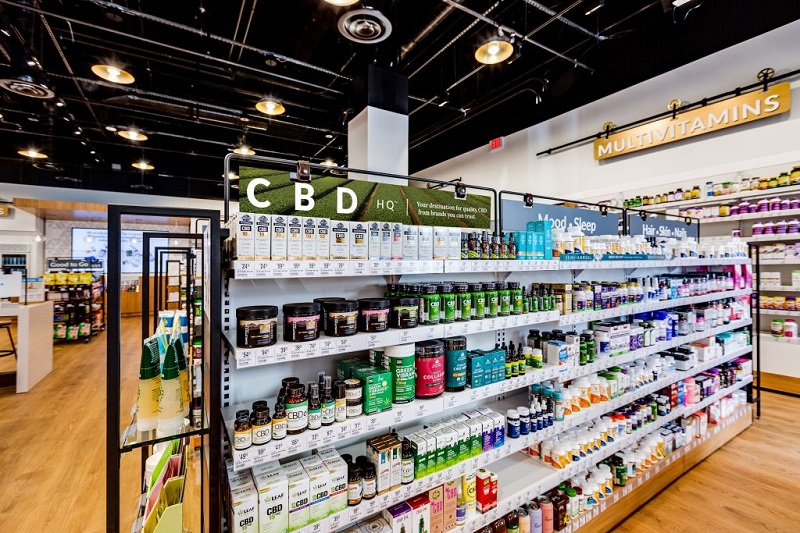
Not long ago, cannabidiol occupied an awkward corner of retail. It was often relegated to specialty head shops, sold behind glass counters, or hyped across social feeds as an overnight fix for virtually every modern ailment. Early marketing made grand promises, while skeptical shoppers wondered whether it was simply snake oil in a dropper bottle.
Today, that gold-rush frenzy has evolved into something far more grounded. Step into a neighborhood grocery store, browse a high-end department store counter, or scan a colleague’s desk, and you are just as likely to spot a bottle of CBD drops as you are a tube of electrolyte tablets or a bottle of ashwagandha. The compound has shed its counterculture baggage and moved cleanly into the mainstream self-care routine.
This transition represents more than clever branding. It reflects a fundamental shift in how people approach physical and mental maintenance, moving away from reactive symptom management and toward deliberate, everyday balance.
Moving Past the Hype: A Shift Toward Functional Integration
The early wave of the CBD boom suffered from novelty fatigue. Brands infused cannabidiol into athletic apparel, bedsheets, mascara, and potato chips, treating the ingredient as a marketing gimmick rather than a functional tool. When the initial wave broke, consumers realized that novelty does not equal efficacy.
What survived that shakeout is a market centered on practical, daily utility. Today’s wellness consumer rarely looks at CBD as an exotic cure-all. Instead, they view it as an active botanical that supports specific physiological goals, often pairing it alongside established wellness ingredients like functional mushrooms, adaptogens, and botanical terpenes.
Rather than promising instant transformation, current product formulations emphasize subtle, cumulative support. People treat the compound much like a high-grade magnesium supplement or a daily probiotic: an ongoing lifestyle habit designed to keep their internal baseline steady amid chronic, low-level modern stressors.
The Core Pillars Driving Daily Adoption
The normalization of CBD across American households is primarily anchored in three distinct health and lifestyle categories: recovery, stress response, and sleep architecture.
Restorative Sleep and the Evening Wind-Down
Modern life presents an ongoing assault on circadian rhythms. Blue light from dual monitors, irregular schedules, and late-night email notifications leave millions of people physically tired but mentally wired.
Rather than turning immediately to habit-forming prescription sleep aids or heavy doses of over-the-counter antihistamines, many individuals use CBD as a bridge between high-stimulus workdays and bedtime. By encouraging relaxation without the groggy hangover typical of synthetic sedatives, it has become an evening staple. Formulations frequently combine cannabidiol with minor cannabinoids like CBN, alongside traditional herbs such as chamomile and passionflower, creating evening rituals that help quiet a racing mind before lights out.
Managing Daily Tension Without Cognitive Fog
One of the greatest appeals of cannabidiol compared to its botanical cousin, THC, is its non-intoxicating nature. It offers down-regulation for an overstimulated nervous system without dulling cognitive sharpness.
For working professionals navigating relentless meeting schedules and tight deadlines, that distinction is crucial. Micro-dosing tinctures or discreet fruit chews allow individuals to smooth the rough edges of daily tension without compromising their ability to write code, manage clients, or drive safely. It functions less like an escape hatch and more like an emotional shock absorber.
Post-Workout Muscle Recovery and Mobility
The athletic community played an outsized role in de-stigmatizing hemp derivatives. Endurance runners, weightlifters, and everyday fitness enthusiasts frequently deal with delayed-onset muscle soreness and localized joint stiffness.
Topical roll-ons, cooling balms, and concentrated salves have become locker-room mainstays alongside foam rollers and percussion massage guns. Applied directly to fatigued shoulders, knees, and lower backs, these products deliver localized relief through skin receptors. By avoiding the stomach irritation associated with long-term over-the-counter NSAID use, active individuals find plant-derived topicals a far friendlier companion for ongoing training longevity.
Market Maturation: Testing, Transparency, and Formulation Science
Consumer skepticism has not vanished; rather, it has become more discerning. As buyers grew more educated, the industry was forced to clean up its supply chain and embrace rigorous scientific standards.
The defining hallmark of today’s reputable CBD brand is radical transparency. Shoppers routinely look for batch-specific Certificates of Analysis (COAs) verified by independent third-party laboratories. These documents confirm cannabinoid potency while ensuring the absence of heavy metals, pesticides, residual solvents, and microbial contaminants.
Furthermore, shoppers now understand the technical differences across product types:
-
Full-Spectrum Extracts: Contain the full array of naturally occurring cannabinoids, terpenes, and flavonoids from the hemp plant, including trace amounts of THC below the federal legal limit of 0.3 percent. This composition leverages the entourage effect, where compounds work synergistically to produce enhanced benefits.
-
Broad-Spectrum Extracts: Retain beneficial secondary cannabinoids and terpenes while undergoing targeted refinement to remove detectable traces of THC, catering to individuals subject to regular workplace screenings.
-
CBD Isolates: Deliver 99 percent pure cannabidiol stripped of all accompanying plant material, favored by users seeking single-compound precision or neutral flavoring in ingestible formats.
Advances in delivery systems have further fueled mainstream acceptance. Water-soluble nano-emulsions, for instance, break down oil molecules into microscopic droplets that the human body absorbs far more rapidly and reliably than traditional oil-based tinctures, ensuring predictable dosing.
Demographic Expansion and the Rise of the Sober-Curious Movement
Perhaps the clearest signal of CBD’s staying power is the shifting demographic profile of its regular consumers. The customer base is no longer dominated by younger subcultures or boutique fitness devotees.
Retirees manage age-related stiffness and sleep disturbances with sublingual drops. Parents juggle caregiving fatigue and remote workloads with low-dose gummies. At the same time, the broader cultural reckoning with alcohol consumption has carved out massive territory for botanical beverages.
As the sober-curious movement gains momentum across the country, sparkling CBD seltzers and non-alcoholic aperitifs have populated restaurant menus, social gatherings, and dinner tables. These beverages provide a tangible ritual for relaxation at the end of the day, delivering the social unwinding associated with a cocktail without the resulting dehydration, disrupted sleep, or morning fog.
The Long-Term Trajectory of Botanical Self-Care
Cannabidiol has transitioned out of its volatile adolescence. The days of treating hemp as an obscure novelty or an all-powerful panacea are behind us. In their place is a stable, mature category defined by scientific extraction, regulatory compliance, and targeted functional use.
As mainstream retail distribution expands and clinical understanding continues to deepen, CBD is taking its rightful place: not as an eccentric trend, but as an enduring, reliable pillar of modern holistic wellness.
