

When pet guardians invest in hemp supplements to support an aging retriever’s stiff joints or soothe an anxious rescue cat during thunderstorms, they operate under an understandable assumption: that the milligram strength advertised on the front of the box remains consistent from the first serving to the final drop. Unfortunately, cannabinoid chemistry is notoriously fragile. Cannabidiol is a sensitive botanical compound that readily breaks down when exposed to adverse environmental conditions, turning a well-intentioned wellness routine into an unpredictable guessing game.
In the companion animal market, product stability is doubly complex. Formulators must not only safeguard the delicate active cannabinoids themselves, but they must also contend with specialized pet delivery systems—such as animal fats, fish oils, and soft chew matrices—that carry their own distinct shelf-life vulnerabilities. Understanding how and why pet CBD degrades allows conscientious owners and manufacturers alike to protect therapeutic potency, prevent gastrointestinal irritation, and ensure animals receive the exact physiological support intended.
The Chemistry of Cannabinoid Degradation
Cannabinoids do not maintain their molecular integrity indefinitely. Like many plant-derived compounds, cannabidiol undergoes steady structural degradation when exposed to three primary environmental catalysts: light, temperature, and atmospheric oxygen.
Photodegradation from Light Exposure
Ultraviolet radiation is one of the swiftest destroyers of active cannabinoids. When sunlight or harsh ambient indoor lighting strikes an unprotected liquid extract, high-energy photons excite the molecular bonds of the cannabidiol molecule. This photo-oxidation triggers a cascading chemical shift, cleaving chemical bonds and converting active cannabidiol into inactive or altered byproducts. In full-spectrum formulations, light exposure can also degrade fragile secondary terpenes, robbing the product of the entourage effect long before the container is empty.
Thermal Breakdown and Oxidation
Heat accelerates molecular motion, drastically hastening oxidation. When a pet tincture sits in a warm delivery vehicle, near a sunny kitchen window, or beside a kitchen stove, elevated temperatures cause the dissolved cannabinoids to react with residual oxygen trapped in the container. Over time, thermal exposure causes potency to plummet. In severe cases, poor heat management can alter the overall cannabinoid profile, yielding sub-therapeutic mixtures that fail to deliver the calming or mobility benefits pet parents expect.
The Carrier Oil Paradox: Stability Versus Palatability
Because phytocannabinoids are lipophilic, they must be dissolved in a dietary fat to ensure adequate absorption through the animal’s digestive tract. The choice of this carrier oil represents one of the most critical stability decisions in pet product design, creating an inherent tension between feline and canine palatability and chemical longevity.
Many pet manufacturers choose fish-derived carriers—such as wild salmon oil, sardine oil, or krill oil—because dogs and cats naturally relish the savory scent. Furthermore, these marine oils deliver beneficial omega-3 fatty acids like EPA and DHA. However, polyunsaturated marine fats are chemically volatile. Their chemical structures contain numerous double bonds that are exceptionally prone to rapid lipid oxidation.
When fish oil oxidizes, it produces rancid peroxides, aldehydes, and free radicals. Not only does this rancidity destroy the suspended cannabidiol, but it can also induce vomiting, diarrhea, and systemic oxidative stress in sensitive pets.
By contrast, saturated fats like coconut-derived medium-chain triglyceride (MCT) oil offer unmatched chemical resilience. Because medium-chain saturated fatty acids lack vulnerable double bonds, they resist oxidation for extended periods, maintaining structural neutrality across fluctuating storage conditions. While MCT oil may lack the natural fish aroma that tempts a finicky cat, it provides a vastly more stable shelf life for the underlying cannabinoid payload.
High-grade manufacturers navigating this trade-off often use a stable MCT base combined with non-oxidizing natural flavorings, or incorporate natural antioxidants like mixed tocopherols (vitamin E) to preserve more fragile lipid blends.
Manufacturing Methods: Baked Treats Versus Cold Extrusion
The pet CBD market has expanded far beyond simple liquid tinctures, with soft chews and crunchy biscuits capturing immense consumer popularity. However, manufacturing an edible treat presents significant obstacles to cannabinoid stability.
Traditional baked biscuits require prolonged exposure to industrial oven heat, frequently exceeding temperatures of 300 degrees Fahrenheit. Subjecting raw hemp extracts to these temperatures flashes off delicate volatile terpenes and induces thermal degradation of active cannabinoids before the product ever leaves the packaging facility. Furthermore, uneven heat distribution in industrial ovens often results in inconsistent batch-wide potency, where one biscuit contains an effective dose while the next holds almost nothing.
In response, forward-thinking pet brands utilize cold-extrusion technology. Cold processing blends, forms, and sets soft chews using mechanical pressure and gentle binding agents rather than destructive baking cycles. By eliminating high processing temperatures, cold extrusion preserves the active cannabinoid profile intact.
Furthermore, cold-extruded treats maintain precise moisture control. Excess water activity inside a treat bag creates an ideal breeding ground for yeast, mold, and bacterial growth, while overly dry formulations crumble into unmeasurable dust. A balanced moisture formulation preserves both structural chewability and botanical integrity over a multi-month shelf life.
Packaging Integrity and Biological Contamination
Even the most thoughtfully formulated pet product will degrade quickly if housed in inferior packaging or managed carelessly during daily use.
Cheap, transparent plastic containers allow direct UV penetration and can occasionally leach chemical plasticizers into lipophilic oil mixtures over time. Responsible pet formulations should always arrive in heavy, amber, cobalt, or opaque glass bottles that physically screen out ultraviolet rays.
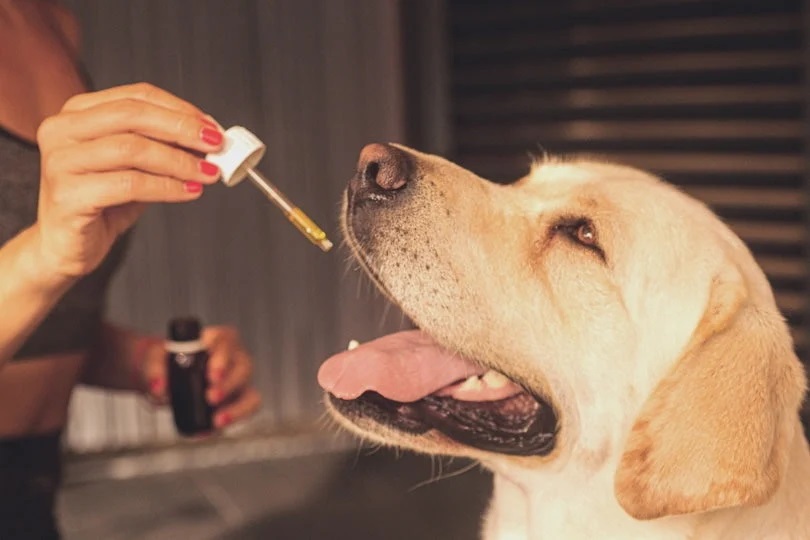
Equally vital is the issue of dispenser hygiene. A common habit among pet owners is squeezing an oil dropper directly into a dog’s or cat’s open mouth. When the glass or plastic pipette touches animal saliva, oral bacteria and feline or canine oral enzymes are drawn backward into the tincture reservoir.
This introduces a living microbiological culture into an oil medium. Over weeks of daily use, that bacterial inoculation degrades the carrier oil, fosters microbial colonization, and accelerates the breakdown of active compounds.
Best Practices for Protecting Potency at Home
Preserving the potency of a pet’s cannabinoid regimen requires thoughtful domestic storage and handling habits. Pet owners can safeguard their investment and protect their animal’s well-being by establishing a few simple routines:
-
Store in a cool, dark cabinet: Keep tinctures and chews away from kitchen appliances that radiate heat, and avoid windowsills where direct morning or afternoon sunlight can warm the bottle.
-
Avoid direct oral dispensing: Administer liquid tinctures onto a clean ceramic plate, over food, or with a measured spoon to prevent saliva contamination on the dropper.
-
Seal containers immediately: Limit the air exchange inside the bottle or chew pouch by securing caps and resealable zippers tightly after every single administration.
-
Conduct routine sensory checks: Before serving, inspect the oil. A sudden sour or fishy stench in a previously mild oil indicates lipid rancidity, while pronounced cloudiness or dark particulate settling can signal chemical degradation.
When pet owners choose formulations engineered for chemical resilience and pair them with disciplined storage habits, they ensure that every dose delivers the consistent, uncompromised wellness support their companion animals deserve.
