

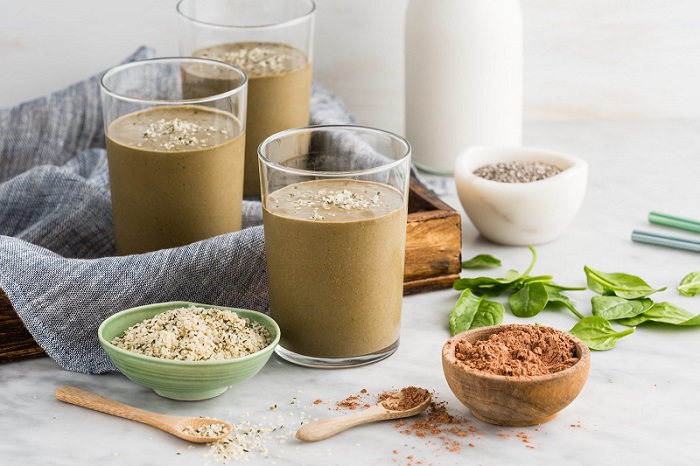
Small enough to vanish into a morning smoothie yet calorically dense enough to fuel demanding days, hemp seeds have earned a permanent place on contemporary grocery shelves. Commonly sold as hulled hemp hearts, these pale, cream-and-green kernels boast a mild, pine-nut flavor that belies their extraordinary biochemical complexity. Unlike many modern health food trends driven by transient novelty or isolated extracts, the nutritional value of hemp seeds rests on whole-food synergy. Within a single three-tablespoon serving lies an uncommon balance of complete protein, anti-inflammatory fatty acids, and bioavailable minerals that directly support cardiovascular, muscular, and metabolic performance.
A Truly Complete Plant Protein with Exceptional Digestibility
For individuals following plant-centered lifestyles, finding protein sources that offer all nine essential amino acids usually involves pairing complementary foods, such as beans with rice or lentils with whole wheat. Hemp seeds bypass this requirement entirely. They are one of the few botanicals classified as a complete plant protein, supplying an amino acid profile comparable to that of egg whites or dairy without the associated allergens.
What truly distinguishes hemp protein from legumes or soy, however, is its structural composition. Roughly 65 percent of the total protein in hemp seed exists as edestin, a globular legumin protein found nowhere else in the plant kingdom, with the remaining 35 percent consisting of albumin. Because these globular structures closely mirror the proteins found in human blood plasma, the digestive tract breaks them down with remarkable ease. They lack the enzyme inhibitors and complex oligosaccharides that routinely trigger gastrointestinal distress, gas, or bloating in people who consume soy isolates or raw pea powders.
Furthermore, hemp seed protein contains substantial levels of L-arginine. This amino acid acts as the direct precursor to nitric oxide, a signaling gas that relaxes blood vessel walls, improves endothelial function, and helps maintain healthy arterial pressure during periods of physical and cognitive exertion.
The Optimal Balance of Essential Fatty Acids
More than thirty percent of a hemp seed’s total mass consists of dietary lipids, but the quality of these fats is what commands attention. The standard American diet is heavily skewed toward pro-inflammatory omega-6 fatty acids, frequently running at ratios as extreme as 15:1 or 20:1 relative to omega-3s, driven by an overreliance on refined seed oils and ultra-processed foods.
Hemp seeds present what nutritional scientists widely consider an ideal profile, delivering an omega-6 to omega-3 ratio of approximately 3:1. The primary fats include linoleic acid (LA) and alpha-linolenic acid (ALA), essential fats that the human body cannot manufacture internally. This proportion supports balanced cellular membrane fluidity and dampens chronic inflammatory signaling.
Hemp seed oil also contains notable concentrations of gamma-linolenic acid (GLA), an elusive omega-6 derivative rarely found in everyday food sources outside of evening primrose and borage oils. Unlike conventional omega-6 fats, GLA metabolizes into anti-inflammatory prostaglandins, biochemical compounds that help regulate hormonal equilibrium, protect skin barrier moisture, and ease cyclic menstrual discomfort. Complementing GLA is stearidonic acid (SDA), a specialized omega-3 that converts to downstream cardioprotective compounds far more efficiently than standard terrestrial plant fats.
A Concentrated Reservoir of Critical Micronutrients
Beyond their macronutrient density, hemp seeds serve as an exceptionally rich delivery system for essential minerals and fat-soluble antioxidants that are frequently underconsumed in standard diets.
Essential Minerals for Cellular and Neurological Health
Modern agricultural practices have steadily depleted trace minerals from conventional produce, making mineral-dense whole foods increasingly valuable. Just three tablespoons of hemp hearts supply nearly half the daily requirement for magnesium, a critical cofactor involved in over three hundred metabolic reactions, including muscular relaxation, cellular energy production, and nervous system down-regulation.
These seeds also deliver substantial amounts of:
-
Zinc: Vital for immune cell proliferation, wound healing, protein synthesis, and cellular repair.
-
Non-Heme Iron: Essential for oxygen transport in red blood cells, particularly supportive for active individuals adhering to plant-exclusive diets.
-
Phosphorus and Potassium: Synergistic minerals that govern cellular fluid balance, bone structural integrity, and normal nerve signal transmission.
Protective Antioxidants and Vitamin E Compounds
Hemp seeds contain rich stores of tocopherols, particularly gamma-tocopherol, a potent form of vitamin E that protects polyunsaturated fatty acids from oxidative degradation. Alongside naturally occurring phytosterols and polyphenolic compounds, these fat-soluble antioxidants scavenge free radicals within vascular tissues and reinforce cardiovascular resilience.
Whole Seeds Versus Hemp Hearts: The Fiber Distinction
Understanding the structural difference between whole and hulled seeds allows consumers to target specific digestive goals.
Whole hemp seeds, which retain their crisp outer hulls, provide a formidable dose of dietary fiber—predominantly insoluble fiber that adds bulk to the digestive tract, encourages regular motility, and supports long-term colon health. However, their crunchy texture can prove challenging to chew thoroughly.
Hulled hemp hearts, produced by mechanically cracking and removing the fibrous husk, are soft, tender, and far higher in protein and fat density per gram. While they retain a modest amount of soluble fiber to help feed beneficial gut flora, their appeal lies in sheer nutritional concentration and culinary versatility.
Protecting Nutrient Integrity in the Kitchen
Because hemp seeds are naturally rich in delicate, polyunsaturated fatty acids, they require thoughtful handling to prevent rancidity and preserve their biological value.
The double bonds in polyunsaturated fats degrade quickly under high heat, light, and air exposure. For this reason, hemp seeds should never be used as a cooking oil substitute for high-heat sautéing or searing. Instead, they shine brightest when used raw or added as a finishing touch. Tossing a handful over warm grain bowls, blending them into creamy salad dressings, stirring them into oatmeal, or pulsing them with water to create fresh, additive-free hemp milk ensures their therapeutic lipids remain intact. Once an airtight bag is opened, storing it in the refrigerator or freezer prevents oxidative breakdown and preserves its fresh, buttery flavor for months.
Integrating hemp seeds into a daily routine does not require radical dietary restructuring or complicated culinary techniques. Their mild flavor, exceptional digestibility, and unmatched balance of clean protein and anti-inflammatory lipids make them one of the most practical, nutrient-dense additions to any long-term wellness strategy.
