

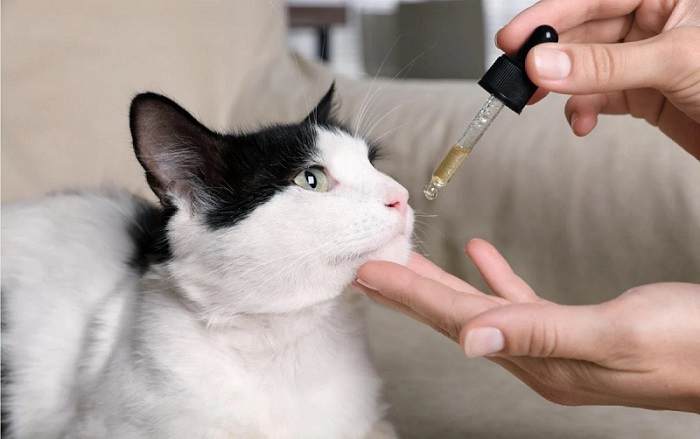
Cats have a well-earned reputation for stoicism, but their internal worlds are exquisitely sensitive. A routine rearrangement of living room furniture, an unfamiliar vehicle idling outside, or the arrival of a new family member can disrupt a feline’s sense of environmental control. Because cats express anxiety through subtle, often misunderstood behaviors—such as persistent hiding, vocalization, litter box avoidance, or excessive grooming—pet owners frequently find themselves searching for gentle, sustainable ways to restore calm.
The widespread availability of hemp-derived cannabidiol has prompted many cat owners to consider cannabinoid wellness products as a natural solution for feline stress. However, treating a cat requires far more vigilance than treating a dog or a human. Feline physiology is famously unique, particularly regarding hepatic processing and compound sensitivity. Understanding what current veterinary science says about feline cannabinoid use, where the safety boundaries lie, and how to introduce these products responsibly is essential before adding any supplement to your cat’s routine.
The Biology of Feline Stress and the Endocannabinoid System
To understand how cannabidiol may influence feline stress, it helps to look at the biological infrastructure that processes fear and equilibrium. Like all vertebrates, cats possess an endocannabinoid system (ECS). This intricate cell-signaling network comprises endogenous cannabinoids, specialized enzymes, and two primary receptor types: CB1 receptors, which are densely concentrated throughout the central nervous system, and CB2 receptors, which reside primarily within peripheral tissues and immune cells.
Under normal conditions, the ECS helps maintain internal homeostasis, regulating functions ranging from pain perception and gastrointestinal motility to mood and neurological excitability. When a cat encounters an acute stressor, such as a vacuum cleaner or a carrier for a clinic visit, the hypothalamic-pituitary-adrenal axis activates, triggering an immediate surge of stress hormones.
Cannabidiol does not bind directly to CB1 receptors in the way that psychoactive cannabinoids do. Instead, it acts as an indirect modulator. Cannabidiol influences non-cannabinoid signaling pathways, notably interacting with serotonin 5-HT1A receptors and vanilloid receptors. By supporting natural serotonin pathways, cannabidiol can help dampen the fight-or-flight overdrive, creating a physiological cushion that prevents situational anxiety from spiraling into panic.
What the Science Shows About Feline Cannabinoid Use
While canine cannabinoid research has expanded rapidly over the past decade, feline-specific investigations have historically lagged behind. Fortunately, veterinary researchers have begun publishing focused safety, dosing, and behavioral trials that provide valuable clarity for cat guardians.
Controlled clinical observations indicate that cannabidiol can reduce acute fear responses in domestic cats. In settings measuring behavioral reactions to acoustic triggers and unfamiliar environments, cats receiving pure cannabidiol demonstrated lower instances of stress-related elimination and panic-driven restlessness compared to those given a placebo.
Beyond behavioral observations, pharmacokinetic investigations reveal crucial insights into how cats metabolize cannabinoids. When administered orally, cannabidiol is absorbed into feline circulation within two to three hours. However, cats achieve significantly lower maximum plasma concentrations than dogs given equivalent amounts per pound. At the same time, the elimination half-life in cats is noticeably longer, meaning the compound remains circulating in their system for an extended duration.
These findings confirm that cats are not simply small dogs; their internal processing requires feline-specific dosing considerations rather than scaled-down canine guidelines.
Critical Safety Considerations and Feline Vulnerabilities
Because cats lack certain hepatic metabolic enzymes, they cannot tolerate many compounds that are entirely harmless to humans or dogs. Navigating cannabinoid care requires keeping these physiological constraints at the forefront.
Hepatic Metabolism and Monitoring
Cannabinoids undergo extensive clearance through hepatic pathways, specifically utilizing the cytochrome P450 enzyme group. Because cannabidiol temporarily occupies these enzyme pathways, it can alter the absorption and clearance rates of concurrent prescription medications, including anti-seizure therapies, cardiac medications, and sedatives.
Additionally, long-term safety evaluations have demonstrated that while cats generally tolerate cannabidiol well, occasional elevations in liver enzymes—specifically alanine aminotransferase (ALT) and alkaline phosphatase (ALP)—can occur. These elevations typically resolve when the product is discontinued, but they highlight the vital need for baseline blood panels and routine veterinary monitoring when using any daily botanical supplement.
The Danger of Tetrahydrocannabinol
Cats have an extreme sensitivity to tetrahydrocannabinol (THC), the intoxicating component of the cannabis plant. Even trace amounts of THC can induce acute toxicosis in felines, characterized by severe lethargy, ataxia, loss of motor coordination, hypothermia, urinary incontinence, and sensory hypersensitivity.
For feline applications, full-spectrum extracts designed for dogs or humans carry unnecessary risks. Responsible feline care favors broad-spectrum formulations or purified isolates that have undergone verified extraction steps to remove all detectable THC.
Additives, Flavorings, and Carrier Oils
A product is only as safe as its carrier ingredients. Many human tinctures incorporate essential oils, botanical terpenes, or flavor enhancers to improve palatability. For a cat, however, compounds such as citrus, peppermint, tea tree, and eucalyptus oils are profoundly toxic due to deficient glucuronidation pathways in the feline liver.
Similarly, artificial sweeteners like xylitol represent an immediate hazard. Safe feline formulas should rely on hypoallergenic, neutral carrier oils, such as pure coconut-derived medium-chain triglyceride (MCT) oil or clean hemp seed oil, with zero artificial sweeteners, synthetic preservatives, or botanical aromatics.
A Responsible Protocol for Feline Care
If your veterinarian agrees that a calming supplement is appropriate for your cat, adopting a systematic, deliberate administration protocol protects your companion from gastrointestinal distress or improper dosing.
Begin by demanding transparency from the manufacturer. Only purchase products that provide an up-to-date, batch-specific Certificate of Analysis from an accredited testing laboratory. This documentation confirms that the cannabinoid concentration matches the label and proves the oil is free from pesticides, heavy metals, residual extraction solvents, and microbial contaminants.
When administering the product, start low and adjust slowly. Feline dosing guidelines generally recommend beginning with a conservative baseline—typically around 0.1 to 0.2 milligrams per kilogram of body weight, administered once or twice daily with a small meal. Maintain this initial level for at least five to seven days while observing your cat’s response. Look for signs of calm sociability versus excessive drowsiness, and monitor digestion for loose stools or vomiting. Any dosage increase should occur in minute increments over several weeks, rather than rapid spikes.
Why Environmental Enrichment Must Come First
No supplement can substitute for an environment that respects natural feline instincts. Before assuming a cat requires chemical intervention for anxiety, assess their immediate physical surroundings.
Feline stress frequently stems from perceived resource scarcity or a lack of territory security. Ensure your household adheres to the standard resource ratio: provide one more litter box than the total number of cats in the home, positioned in quiet, easily accessible locations. Incorporate vertical territory through cat trees, wall shelves, and window perches, which give cats an elevated vantage point to observe their territory without feeling cornered.
Pair these structural adjustments with scheduled daily play sessions that satisfy predatory drive, quiet hiding cubbies, and synthetic facial pheromone diffusers. When combined with a stable daily routine, environmental adjustments often resolve anxiety at the root. If supplemental assistance remains necessary, cannabidiol can serve as a supportive tool alongside proactive behavioral stewardship, helping your cat navigate stressful situations with greater resilience and ease.
