

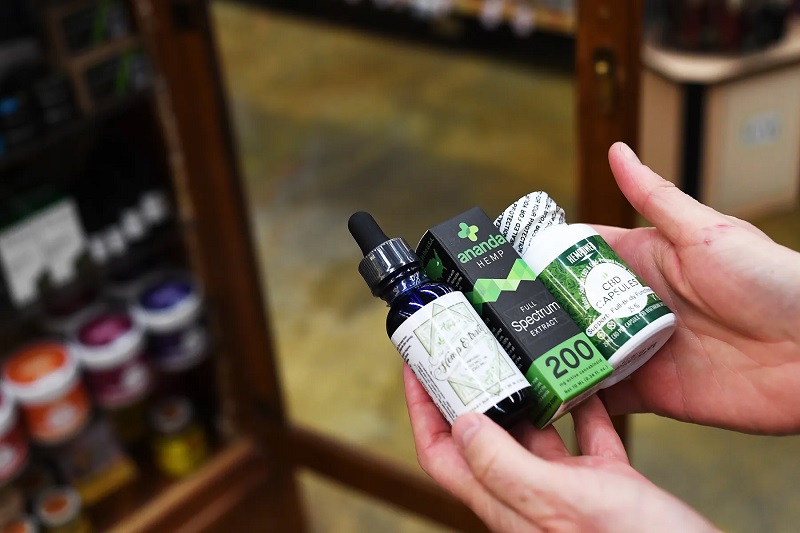
A decade ago, cannabidiol occupied a cautious, obscure corner of the wellness landscape. Tucked behind counters in head shops or sold through nondescript websites, it carried the cultural baggage of cannabis while offering ambiguous promises. Today, that fringe status is ancient history. Cannabidiol, widely known as CBD, has broken into the commercial mainstream with remarkable speed, evolving from a regulatory curiosity into one of the most disruptive forces in modern consumer packaged goods.
This transformation represents far more than a sudden spike in public interest. It reflects a fundamental pivot in how modern shoppers evaluate wellness, personal care, and preventive health. Rather than chasing reactive medical solutions or synthetic fixes, buyers increasingly demand botanical, non-intoxicating options that integrate effortlessly into daily routines. By bridging the gap between natural remedies and sophisticated product design, CBD has redrawn the boundaries of multiple retail sectors, permanently altering consumer expectations in the process.
The Functional Wellness Migration
The early wave of the CBD boom was marked by curiosity and novelty. Shoppers bought unflavored oils simply to see what the hype was about. Today, the consumer base is far more discerning, and the market has adjusted accordingly by moving toward outcome-oriented formulation.
Modern buyers rarely shop for generic CBD. Instead, they seek out targeted solutions for everyday friction points: sleep fragmentation, afternoon mental fatigue, chronic musculoskeletal tension, and generalized stress. Brands have responded by pairing cannabidiol with complementary botanicals and functional ingredients. A nighttime tincture is no longer just hemp extract; it is a calibrated blend of CBD, cannabinol (CBN), L-theanine, and tart cherry extract. Daytime formulations frequently combine broad-spectrum hemp with adaptogenic mushrooms like lion’s mane or cordyceps.
This functional pivot has unlocked a demographic that previously ignored cannabis-adjacent items. Working professionals in high-stress environments rely on measured micro-doses to maintain focus without the jitters associated with caffeine. Active adults and aging baby boomers use concentrated balms to soothe stiff joints without relying entirely on traditional over-the-counter pain relievers. By aligning itself with legitimate physiological outcomes rather than countercultural lifestyle marketing, CBD has earned a permanent place on bedside tables and office desks nationwide.
Breaking Out of the Specialty Aisle
Perhaps the clearest signal of market maturation is retail ubiquity. Cannabidiol is no longer restricted to specialty wellness boutiques or regional dispensaries. It commands prime shelf space in regional supermarket chains, luxury department stores, athletic clubs, and neighborhood pharmacies.
As distribution networks expanded, product developers pushed well beyond standard sublingual droppers, integrating hemp-derived compounds into several thriving consumer categories.
Functional Food and Beverages
The beverage industry has seen some of the most dynamic experimentation. Ready-to-drink sparkling waters, botanical sodas, and cold-brew teas infused with water-soluble CBD formulations have emerged as popular social alternatives to alcohol. For social drinkers looking to dial back alcohol consumption without sacrificing the ritual of a refreshing drink at the end of the day, CBD beverages provide a gentle, relaxing middle ground. The rapid development of nano-emulsion technology has eliminated the bitter, oily separation that plagued early formulations, delivering consistent absorption, crisp flavor profiles, and reliable onset times.
Clean Beauty and Skincare
The prestige skincare category has embraced CBD with equal enthusiasm. Touted for its high antioxidant profile and natural anti-inflammatory qualities, cannabidiol has become a prized hero ingredient across premium facial serums, calming cleansers, and barrier-repair creams. Rather than selling novelty, high-end cosmetic brands position the compound alongside established staples like hyaluronic acid, niacinamide, and squalane. This approach successfully appeals to ingredient-conscious shoppers who prioritize skin barrier health and clean, plant-derived formulations.
Companion Animal Care
Pet care represents another massive vector of commercial expansion. Pet owners routinely invest in their animals’ comfort with the same care they give their own, driving substantial demand for hemp-derived pet chews and drops. Formulated specifically to ease separation anxiety, noise sensitivity during thunderstorms, or age-related mobility issues in aging dogs and cats, pet wellness has become one of the industry’s most stable, recurring revenue streams.
The Trust Equation: Sourcing, Purity, and Consumer Scrutiny
As the initial novelty faded, market dynamics separated serious enterprises from opportunistic resellers. Early years saw inconsistent potency, vague labeling, and exaggerated health claims that invited regulatory scrutiny. Today’s marketplace operates under far more rigorous scrutiny, driven largely by consumer education.
Today’s buyers check labels carefully. They understand the difference between cheap hemp seed oil, which contains no active cannabinoids, and authentic full-spectrum or broad-spectrum extract. They expect brands to demonstrate verifiable quality control before placing an order.
As a result, independent third-party lab testing has become the baseline entry requirement for any reputable brand. Clear, batch-specific Certificates of Analysis (COAs) accessible via scannable QR codes on packaging allow shoppers to verify cannabinoid potency and ensure products are free from heavy metals, pesticides, and residual solvents.
Concurrently, cultivation standards have become a primary marketing differentiator. Premium brands routinely emphasize certified organic domestic farming, clean carbon-dioxide extraction techniques, and fully traceable supply chains. This push toward transparency has elevated consumer confidence, converting skeptical first-time purchasers into long-term brand advocates.
Strategic Adjustments Across Established CPG Brands
The expansion of the cannabinoid space has not gone unnoticed by legacy corporate giants. Traditional consumer packaged goods conglomerates, beverage manufacturers, and pharmaceutical players are watching the category closely, gradually building their own strategic pathways.
Rather than launching competing product lines immediately from scratch, larger corporate entities have favored strategic partnerships, minority equity investments, and incubation initiatives. This measured posture allows multinational corporations to observe supply chain resilience and wait out legislative updates around dietary supplement classifications without missing out on technological advancements in extraction and shelf-stability.
Meanwhile, nimble, digital-native brands continue to master direct-to-consumer relationships. Utilizing predictive replenishment models, personalized wellness questionnaires, and detailed educational content, independent operators have built highly sticky subscription ecosystems that legacy retail models struggle to match. The resulting competition has elevated the entire sector, forcing companies of all sizes to refine their logistics, lower overhead, and deliver superior customer experiences.
The Path Forward for the Cannabinoid Economy
The narrative surrounding cannabidiol has evolved from counterculture skepticism to commercial legitimacy. As regulatory bodies continue the slow process of establishing comprehensive federal manufacturing standards and clear labeling guidelines, the operational landscape will only become more stable.
What remains clear is that consumer appetites have permanently shifted. Shoppers no longer view wellness as a series of isolated, corrective interventions; they view it as an ongoing, daily pursuit of balance. By offering an accessible, plant-powered tool for managing the physical and mental demands of modern life, CBD did not just build a temporary trend. It established a lasting foundation that will continue to shape product innovation, retail merchandising, and everyday health habits for years to come.
