

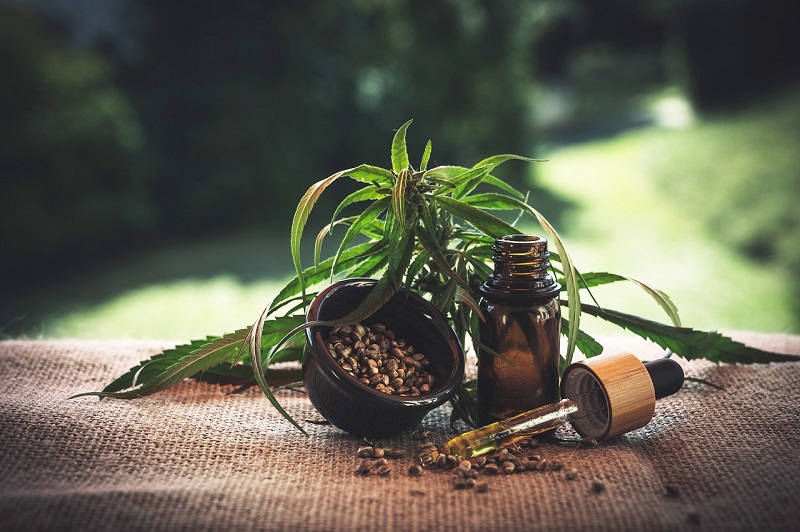
The legal landscape surrounding hemp and cannabis underwent a dramatic transformation over the last decade, yet consumer perception remains clouded by decades of cultural baggage, aggressive marketing, and outdated prohibition-era assumptions. As grocery aisles, specialty boutiques, and online storefronts fill with tinctures, topicals, and dietary supplements, shoppers are routinely expected to make informed wellness decisions without a clear grasp of basic botanical and chemical facts.
Cutting through the noise requires separating persistent urban legends from botanical reality. Whether you are considering an over-the-counter tincture for nighttime relaxation or simply trying to make sense of dispensary shelves, dismantling the most common misconceptions is the fastest way to become a confident, savvy consumer.
Myth 1: Hemp and Marijuana Are Two Completely Distinct Plant Species
One of the most enduring misunderstandings is that hemp and marijuana are entirely different botanical species, akin to comparing apples and oranges. In reality, both hemp and marijuana belong to the exact same plant species: Cannabis sativa L.
The distinction between the two is legal and chemical rather than taxonomic. Under federal law, industrial hemp is classified as any cannabis plant containing no more than 0.3 percent delta-9 tetrahydrocannabinol (THC) by dry weight. Anything that crosses that narrow mathematical boundary is legally classified as marijuana, regardless of its appearance, aroma, or growth habit.
Farmers have bred different cultivars for distinct purposes—tall, fibrous varieties grown tightly together for industrial textiles and construction materials, or bushy, resin-rich cultivars grown for therapeutic flower. Still, botanically, they are cousins sharing the same underlying genetic heritage.
Myth 2: Any Hemp-Derived Wellness Product Will Get You High
Because hemp shares its botanical identity with marijuana, many prospective users assume that taking a hemp extract or cannabidiol (CBD) gummy will produce an intoxicating high.
Cannabidiol, the primary compound extracted from industrial hemp, is non-intoxicating. Unlike THC, CBD does not bind directly to CB1 receptors in the central nervous system, which are responsible for altering sensory perception and causing cognitive intoxication. Instead, CBD acts as an indirect modulator within the human body’s endocannabinoid system, promoting balance and cellular equilibrium without impairing judgment, coordination, or mental acuity.
While pure hemp extracts will not induce a high, consumers should remain aware of market nuances. The rise of chemically synthesized hemp isomers, such as delta-8 THC, has blurred these lines on unregulated shelves. Authentic, unaltered hemp extracts focused on CBD and minor non-intoxicating cannabinoids deliver calm relaxation rather than recreational intoxication.
Myth 3: Hemp Seed Oil and CBD Oil Are the Same Product
Online retail platforms are notorious for exploiting this particular point of confusion. Consumers frequently purchase inexpensive bottles labeled “hemp oil,” believing they are securing a therapeutic cannabinoid tincture, only to discover they have bought cold-pressed culinary oil.
The difference comes down to the part of the plant used during extraction:
-
Hemp Seed Oil: Produced by cold-pressing the seeds of the plant. While exceptionally rich in protein, vitamin E, and a balanced 3:1 ratio of omega-6 to omega-3 fatty acids, hemp seeds contain virtually zero cannabinoids or therapeutic terpenes. It functions as an outstanding salad dressing or cosmetic moisturizer, but it offers no cannabinoid support.
-
CBD Extract (Hemp Oil): Extracted from the resinous trichomes found on the mature flowers, leaves, and aerial parts of the female plant. This extract contains active concentrations of CBD, secondary cannabinoids, and aromatic terpenes designed to interact with physiological receptors.
Looking closely at product labels protects your wallet. If an ingredient list states only “cannabis sativa seed oil” without disclosing specific milligram amounts of active cannabinoids, you are purchasing dietary fat, not an active botanical extract.
Myth 4: Using Hemp Products Guarantees You Will Pass a Drug Screen
A common and costly assumption among working professionals is that legal hemp products are completely immune to triggering a positive workplace drug test.
Standard workplace drug screenings do not look for CBD or non-intoxicating botanicals; they search specifically for THC metabolites. While legal hemp products must adhere to the federal limit of 0.3 percent THC, consuming full-spectrum hemp extracts means ingesting microscopic amounts of THC with every serving.
Over weeks or months of daily use, those trace amounts can accumulate in adipose tissue. For individuals who metabolize compounds slowly or consume high daily doses, that natural buildup can push urinary metabolite levels past standard screening thresholds. Consumers subject to strict drug-testing policies should opt for third-party verified broad-spectrum products—which undergo targeted refinement to remove detectable THC—or pure CBD isolates.
Myth 5: Federal Legalization Guarantees Universal Product Quality
When the commercial cultivation of hemp was legalized federally, many consumers assumed that retail shelves would immediately operate under rigorous, pharmaceutical-grade government oversight. Unfortunately, regulatory standards have lagged behind market expansion.
Federal legality does not automatically equate to strict quality control. The marketplace still contains poorly formulated products suffering from potency discrepancies, where independent testing reveals either significantly more or far less active compound than the label claims. Furthermore, because hemp is a dynamic bioaccumulator that readily absorbs heavy metals, pesticides, and residual fertilizers from agricultural soil, clean cultivation practices are non-negotiable.
Trustworthy brands bridge this regulatory gap by providing a batch-specific Certificate of Analysis (COA) generated by an accredited, independent third-party testing laboratory. A clean lab sheet verifies the cannabinoid concentrations and confirms the absence of mycotoxins, heavy metals, residual extraction solvents, and chemical pesticides.
Myth 6: CBD Operates as an Overnight Cure for Every Ailment
Early industry marketing did the plant a significant disservice by presenting hemp derivatives as miraculous cure-alls capable of erasing chronic problems overnight. When newcomers do not experience immediate, dramatic transformations, they often write off the botanical entirely.
Cannabinoids do not function like fast-acting synthetic pharmaceuticals. They act as supportive modulators, working subtly with internal systems to promote recovery, smooth out stress responses, and support restorative sleep architecture. Achieving notable results typically requires deliberate, consistent daily dosing over several weeks, allowing compounds to integrate into cellular pathways.
Approaching hemp with realistic expectations yields far better outcomes than treating it as a silver bullet. By understanding the distinction between seed oil and flower extract, recognizing how trace compounds behave in the body, and demanding verified laboratory documentation, consumers can navigate the modern market with clarity and unlock the genuine benefits this versatile botanical has to offer.
