

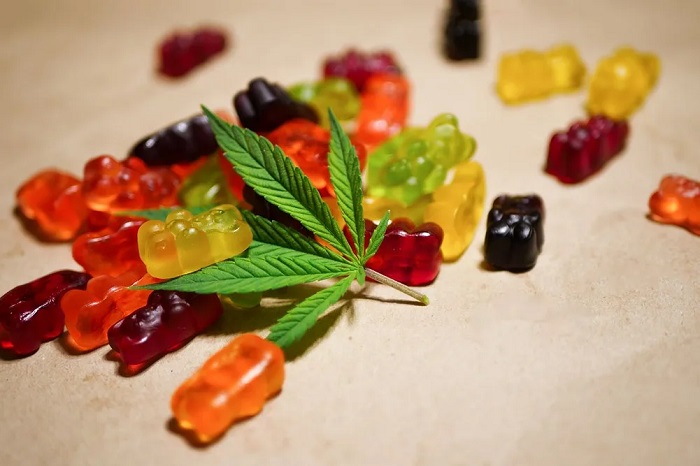
When cannabinoid edibles first entered retail shelves, consumers bought them in spite of their taste, not because of it. Early formulations carried the unmistakable sensory signature of crude hemp extract: an intense, lingering bitterness combined with grassy, resinous undertones and an astringent throat burn. Early adopters were willing to endure that unpleasant bite for the sake of perceived wellness benefits, but the broader consumer packaged goods audience was decidedly less forgiving. For millions of curious shoppers, a single bitter gummy was enough to permanently shelve their interest in botanical cannabinoids.
Over the past several years, that dynamic has completely reversed. What began as a primitive exercise in dumping artificial sugar over botanical oils has blossomed into a sophisticated discipline of sensory food science. Modern flavor innovation has elevated cannabinoid edibles from medicinal oddities into gourmet culinary treats. By mastering the art of taste masking, adopting culinary-grade botanical pairings, and formulating for clean-label standards, forward-thinking brands have turned flavor into their most formidable competitive weapon.
Overcoming Hemp’s Stubborn Sensory Hurdle
To appreciate the scale of this sensory turnaround, one must understand why industrial hemp extract is exceptionally difficult to formulate into food. Phytocannabinoids, terpenes, flavonoids, and residual plant waxes naturally possess strong hydrophobic properties and an intensely bitter gustatory profile.
Human taste buds are evolutionary sensors wired to detect bitterness as a potential warning sign for toxins. When unrefined hemp oil touches the tongue, it triggers an immediate defensive reaction, lighting up bitter taste receptors across the oral cavity.
Early edible manufacturers attempted to blunt this reaction through brute force, packing gummies and candies with synthetic flavorings and high-fructose corn syrup. The outcome was universally disastrous. The aggressive artificial sweetness simply highlighted the pungent vegetal notes beneath it, creating an odd, cough-syrup aftertaste that lingered long after the gummy dissolved. To capture a mature, discerning audience, the industry had to abandon superficial masking and embrace molecular sensory technology.
Advanced Food Science: Beyond Covering Up Bitterness
Modern edible development treats flavor as a structural engineering problem rather than a cosmetic touch-up. Today’s leading product developers deploy specialized biophysical and biochemical techniques to neutralize unpleasant notes before they can register on human taste receptors.
Molecular Masking and Receptor Blockers
Rather than merely layering sweet flavors on top of bitter extracts, formulators now utilize natural bitter-blocking compounds. These functional food ingredients act as competitive antagonists at the cellular level. By temporarily docking onto human bitter taste receptors, such as the TAS2R family, these plant-derived modulators prevent cannabinoid molecules from binding to the receptors in the first place. The result is a clean sensory canvas that allows authentic fruit and botanical flavors to shine without being dragged down by a bitter baseline.
Microencapsulation and Emulsion Science
Another major leap forward stems from advanced physical shielding. Through microencapsulation and nano-emulsion technology, active cannabinoids are encapsulated inside microscopic protective shells composed of lipids, proteins, or polysaccharides.
This molecular armor keeps the bitter cannabinoid payload isolated from the taste buds as the product is chewed. The lipid or carbohydrate barrier only breaks down once the edible reaches the digestive system, delivering superior bioavailability while keeping the oral experience completely neutral and palatable.
The Culinary Evolution: From Candy Aisles to Gourmet Palates
As flavor science solved the chemical hurdles of hemp extracts, product developers recognized an opportunity to move beyond juvenile confectionery profiles. The market has largely shifted away from neon-colored bears and synthetic watermelon rings in favor of nuanced, adult flavor architectures.
Modern consumers view functional edibles through the lens of specialized gastronomy. This shift has popularized complex botanical and citrus pairings:
-
Artisanal citrus blends: Meyer lemon, blood orange, yuzu, and pink grapefruit, which naturally complement the citrusy terpene profiles found in hemp.
-
Herbal and floral notes: Hibiscus, elderberry, lavender, and culinary sage, delivering an upscale, therapeutic feel that resonates with holistic lifestyles.
-
Spiced profiles: Warm inclusions of cardamom, ginger, turmeric, and cinnamon that add depth and mask residual earthy notes with natural aromatic heat.
This gourmet evolution has also transformed the functional chocolate sector. Instead of masking the natural earthiness of full-spectrum hemp, artisan chocolatiers actively lean into it. By pairing raw cacao with single-origin dark chocolate, Madagascar vanilla, and flaked sea salt, the subtle nutty undertones of hemp extract are integrated into a cohesive, luxurious tasting profile.
The Clean-Label Imperative in Modern Confectionery
Flavor innovation in the cannabinoid sector cannot occur in an ingredient vacuum. Modern wellness consumers are fiercely protective of what they put into their bodies; they routinely scrutinize ingredient panels for synthetic dyes, artificial sweeteners, and animal byproducts.
Consequently, flavor breakthroughs must meet strict clean-label standards. Premium brands have largely eliminated artificial food dyes like Red 40 and Yellow 5, replacing them with vibrant natural colorants derived from red beet extract, spirulina, purple carrot juice, and turmeric.
Similarly, traditional animal-based gelatin has taken a backseat to plant-based fruit pectin. Pectin not only opens products to vegan and vegetarian audiences, but it also provides a cleaner flavor release and a tender, melt-in-the-mouth texture that resists melting in summer shipping. Sweetening systems have seen an equivalent overhaul, trading refined sugars for organic tapioca syrup, evaporated coconut nectar, and monk fruit extracts.
Aligning Flavor with Functional Intent
One of the most consequential developments in the edibles market is the strategic pairing of flavor profiles with physiological intent. Flavor acts as a powerful psychological primer; it sets emotional and neurological expectations before an active ingredient ever enters the bloodstream.
In sleep and evening formulations, brands deliberately avoid stimulating, sharp fruit profiles. Instead, they formulate with soothing, mellow flavors like tart cherry, wild blackberry, chamomile, and warm vanilla. These comforting tastes reinforce the body’s evening relaxation cues, creating a complete multisensory bedtime ritual.
Conversely, morning focus or daytime stress formulas frequently utilize crisp, uplifting notes like green tea, mint, ginger, and bright citrus. This intentional sensory pairing establishes a conditioned psychological response, transforming a functional supplement into an anticipated highlight of the consumer’s daily routine.
Why Flavor Is the Ultimate Retention Engine
In consumer goods, attractive branding and clever marketing can convince an individual to purchase an edible once, but sensory pleasure is the sole factor that secures a second order. If taking a daily wellness chew feels like a chore, consumers eventually abandon the routine. When an edible tastes like an artisanal confection, it integrates effortlessly into their lifestyle, driving recurring subscription revenue and establishing durable customer loyalty.
Flavor innovation has permanently liberated the cannabinoid edibles market from its fringe roots. By turning botanical limitations into gourmet opportunities, brands have proven that therapeutic efficacy and exceptional taste can coexist harmoniously, setting the standard for the next generation of functional foods.
