

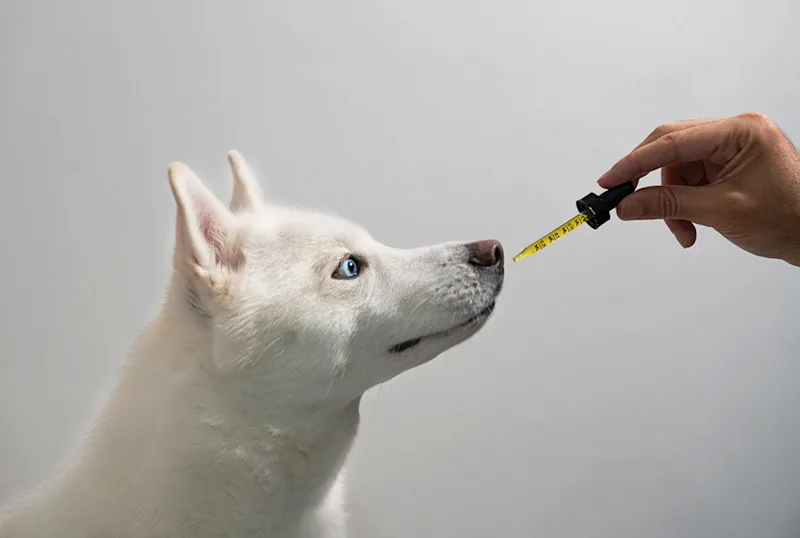
Welcoming a rescue animal into a home is an act of profound compassion, but the transition rarely unfolds like a storybook adoption video. Many dogs and cats emerge from shelters or abusive backgrounds carrying invisible emotional burdens. Whether shaped by early neglect, unpredictable living conditions, or the sensory barrage of a chaotic shelter kennel, these animals frequently arrive with dysregulated nervous systems.
For a traumatized rescue pet, ordinary household sights and sounds do not read as benign. The buzz of a refrigerator, a stranger stepping across the threshold, or the simple act of a guardian closing the front door can trigger a severe fight, flight, or freeze response. When traditional behavioral interventions stall because an animal is trapped in chronic fight-or-flight overdrive, pet guardians increasingly explore hemp-derived cannabidiol as a complementary tool to ease the transition and support long-term behavioral rehabilitation.
The Neurobiology of Trauma and Shelter Shock
To understand why rescue animals struggle to adjust, one must look at the biological mechanisms of chronic stress. In a stable domestic environment, an animal perceives a potential threat, reacts, and returns to baseline once the stressor disappears. In neglected, stray, or shelter-housed animals, this regulatory mechanism often breaks down. Prolonged exposure to fear floods the brain with cortisol and adrenaline, cementing a state of perpetual hypervigilance.
Animals caught in hypervigilance display specific, exhausting behavioral patterns:
-
Persistent pacing and scanning: Inability to settle into deep, restorative sleep, waking at the slightest footstep or change in ambient lighting.
-
Exaggerated startle responses: Cowering, barking violently, or bolting when hearing dropped items, traffic sounds, or household appliances.
-
Confinement or barrier frustration: Chewing door frames, digging frantically at crates, or panting excessively when physical boundaries are imposed.
-
Emotional shutdown: Complete behavioral paralysis, where a dog or cat withdraws into corners, refuses food, and avoids eye contact altogether.
When an animal lives above their emotional threshold, conventional training protocols fail. The brain cannot process new information, retain associative learning, or practice impulse control when the amygdala is sounding an alarm.
How Cannabidiol Modulates the Stress Response
Cannabidiol does not act as a chemical sedative, nor does it erase a traumatic past. Instead, it works within the body’s native endocannabinoid system (ECS) to help restore neurochemical equilibrium.
The endocannabinoid system is an extensive communication network spanning the central nervous system, peripheral organs, and immune cells. It regulates mood, pain perception, emotional processing, and stress recovery. Under chronic duress, an animal’s natural endocannabinoid reserves can become depleted, leaving their neurological stress pathways without an off switch.
While cannabidiol does not bind directly to primary cannabinoid receptors with high affinity, it acts as an allosteric modulator. It inhibits the enzymes responsible for breaking down anandamide, the body’s internal bliss molecule, allowing calming endocannabinoids to circulate longer.
Crucially, cannabidiol interacts directly with serotonin 5-HT1A neuroreceptors. By facilitating serotonin transmission, it helps soften acute fear responses and lowers the baseline arousal that keeps rescue pets on edge. By gently taking the edge off sympathetic overdrive, cannabidiol widens the animal’s window of tolerance, bringing them down to an emotional threshold where they can actually observe their environment without panicking.
Targeting Specific Rescue Behavioral Patterns
Cannabinoid support proves particularly valuable when applied toward the distinct emotional bottlenecks that derail rescue adoptions.
Separation Anxiety and Isolation Distress
Rescue dogs frequently associate being left alone with sudden abandonment or cage confinement. As a guardian prepares to depart, the dog’s panic escalates, resulting in howling, destructive chewing, or indoor elimination. When administered systematically, cannabidiol helps blunt the initial cortisol spike triggered by pre-departure cues like jingling keys or putting on shoes, allowing the pet to remain calm enough to engage with a food puzzle or settle into a dog bed.
Environmental Reactivity and Fear Aggression
Fear-based reactivity often masquerades as territorial aggression. A rescue dog that lunges at other dogs on a leash or growls when a guest enters the room is rarely dominant; they are terrified and attempting to create distance. Cannabinoid support can temper this explosive reactivity, reducing the instantaneous jump from zero to one hundred and providing the guardian a crucial few seconds to redirect the dog’s focus.
Decompression for Feline Rescues
Cats are intensely territorial creatures, making shelter intake and subsequent rehoming deeply disorienting. A traumatized cat may spend weeks wedged behind a washing machine or exhibit stress-induced cystitis and litter box refusal. Cannabinoid oils formulated specifically for felines can mitigate situational panic during environmental shifts, encouraging timid cats to explore vertical space and accept human interaction at their own pace.
Integrating Botanical Support with Behavioral Modification
A common pitfall among well-meaning pet owners is treating cannabidiol as a standalone cure for complex behavioral trauma. Supplementation alone cannot undo months or years of social deficits. Rather, cannabidiol serves as a physiological bridge that enables successful behavioral modification.
Rehabilitating a rescue animal requires structured counter-conditioning and desensitization. The goal is to change the animal’s underlying emotional response to a trigger by pairing that trigger with high-value rewards. If a dog is paralyzed by terror, no amount of roasted chicken will penetrate their consciousness. By dampening the physiological panic, cannabidiol allows the reward to register, helping the animal form positive cognitive associations with previously terrifying stimuli.
This integration aligns perfectly with the standard decompression timeline for adopted pets, often described as the 3-3-3 rule:
-
The first 3 days: Decompressing from shelter shock, sleeping off exhaustion, and adjusting to basic routines.
-
The first 3 weeks: Learning household boundaries, discovering daily expectations, and letting down defensive walls.
-
The first 3 months: Building trust, feeling completely secure, and developing deep attachment to the family.
Employing cannabinoid support throughout these initial phases helps smooth the sharpest emotional edges, preventing early behavioral friction from hardening into permanent habits.
Responsible Protocols: Safety, Dosing, and Product Purity
Because rescue animals arrive with unknown or incomplete medical histories, administering any systemic supplement demands caution and clinical diligence.
Professional Alignment and Organ Health
Before starting any supplement regimen, consult a veterinarian familiar with cannabinoid medicine. Rescues may harbor underlying organ strain, silent tick-borne infections, or heartworm complications. Because cannabidiol is processed by the liver’s cytochrome P450 enzyme pathway, veterinary guidance ensures that the supplement will not interfere with concurrent prescription treatments or overtax recovering organs.
Choosing the Right Formulation
Never give an animal a product formulated for human consumption. Human tinctures frequently contain essential oils, botanical terpenes, or artificial sweeteners like xylitol, which is lethal to dogs. Furthermore, traumatized pets are exceptionally vulnerable to tetrahydrocannabinol (THC). A canine brain contains an extraordinarily high density of cerebellar cannabinoid receptors, meaning even minor traces of THC can induce disorientation, static ataxia, and acute panic—the exact opposite of what an anxious rescue needs.
Insist on broad-spectrum extracts or pure isolates accompanied by an up-to-date, third-party Certificate of Analysis. The documentation must verify accurate milligram strength while confirming the batch is free from pesticides, residual extraction solvents, heavy metals, and mold.
Consistent Administration Over Emergency Dosing
Cannabidiol is far more effective as a daily maintenance supplement than as an ad-hoc emergency sedative. When dosed only after an animal is already in the throes of a panic attack, oral absorption is too slow to provide rapid relief. Establish a steady baseline by administering a conservative serving twice daily with a lipid-rich meal. Start with a modest amount, such as 0.1 to 0.2 milligrams per pound of body weight, and maintain that level for seven days before deciding whether an upward adjustment is warranted.
Helping a traumatized rescue find emotional peace is a slow, iterative journey. When combined with predictable routines, gentle positive reinforcement, and unconditional patience, high-quality cannabinoid support can help quiet the persistent echoes of past hardship, allowing an animal to finally feel secure in their new home.
