

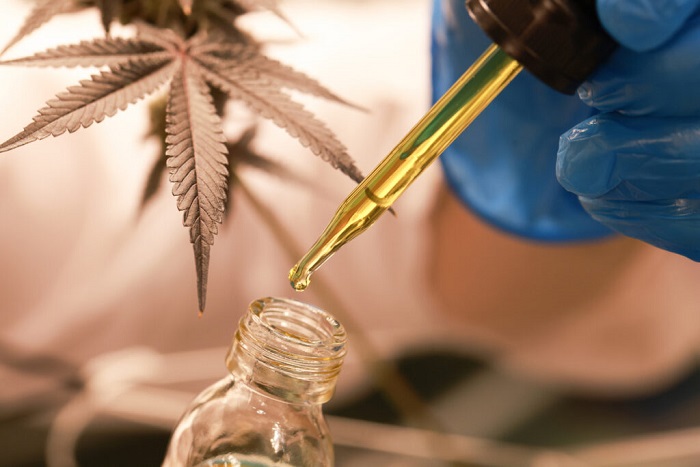
Behind the minimalist typography and sleek dropper bottles lining modern wellness shelves lies a demanding, technical manufacturing process. Cannabidiol (CBD) has spent the past several years shifting from an unregulated novelty into an established consumer staple. Yet, because regulatory oversight has struggled to keep pace with retail demand, the quality gap between exceptional products and compromised formulations remains wide. High-grade botanical extracts do not happen by accident; they require an unbroken chain of custody that starts long before an oil ever reaches a warehouse shelf.
Understanding what makes a CBD product safe and effective means looking past clever branding and examining the physical steps of production. From soil chemistry to independent analytical testing, comprehensive quality control is a multi-phase discipline engineered to guarantee that what is promised on the label matches what enters the body.
Agricultural Provenance: The Bioaccumulator Challenge
Every premium CBD formulation begins in the field, and with hemp, agricultural conditions matter far more than with most commercial crops. Cannabis sativa is a dynamic bioaccumulator, meaning its root systems act like botanical sponges. The plant naturally absorbs minerals, moisture, and chemical residues present in the surrounding earth. In environmental remediation, industrial hemp is frequently planted specifically to draw contaminants and heavy metals out of degraded industrial soils.
While this characteristic makes hemp an exceptionally hardy plant, it introduces substantial risks for ingestible products. If hemp is grown in fields containing residual synthetic pesticides, chemical runoff, or heavy metals like lead and cadmium, those toxins are absorbed into the plant’s stalks, leaves, and flowers. During the extraction process, these unwanted compounds can concentrate right alongside the target cannabinoids.
Because of this vulnerability, reputable brands treat farm sourcing as the foundation of quality assurance. Responsible producers source exclusively from domestic farms operating under certified organic protocols or strict state agricultural guidelines. Before seeds are planted, agronomists conduct thorough soil assays to verify the absence of heavy metals and persistent pesticides. Throughout the growing season, clean irrigation and natural pest mitigation protect the crop, ensuring the raw biomass delivered to extraction facilities is clean and potent.
Advanced Extraction and Botanical Refining
Once mature hemp is harvested, carefully dried, and tested for moisture content to prevent mold growth, it moves into extraction. The goal at this stage is to harvest valuable cannabinoids and aromatic terpenes while leaving behind unpalatable plant elements like dark chlorophyll, bitter waxes, and degraded lipids.
The industry benchmark for commercial processing is supercritical carbon dioxide (CO2) extraction. This closed-loop method subjects pressurized carbon dioxide to specific temperatures, transforming it into a supercritical fluid that displays characteristics of both a liquid and a gas. As the CO2 flows through milled hemp biomass, it gently dissolves the trichomes and extracts cannabinoid-rich oils without scorching delicate terpenes. Because the carbon dioxide evaporates naturally when pressure is released, the process leaves behind zero toxic solvent residues.
Following extraction, crude hemp oil undergoes decarboxylation, a thermal reaction that activates raw cannabidiolic acid (CBDa) into functional CBD. The oil then moves through winterization, where it is blended with chilled food-grade alcohol to congeal and filter out waxy plant lipids. For broad-spectrum products or pure isolates, additional chromatography processing isolates and strips out specific compounds, such as tetrahydrocannabinol (THC), ensuring the concentrate meets targeted specifications.
Formulation and cGMP Manufacturing Standards
Turning refined cannabinoid oil into a shelf-stable consumer product requires a facility that mirrors pharmaceutical cleanliness. Premium manufacturers operate under Current Good Manufacturing Practices (cGMP), maintaining cleanroom environments, strict air-filtration protocols, and detailed batch production records.
The formulation phase introduces supporting ingredients, starting with the carrier oil. Because cannabinoids are fat-soluble molecules, they require a lipid base to ensure proper absorption through the human digestive tract and mucous membranes. High-performing formulas routinely use certified organic medium-chain triglyceride (MCT) oil derived from coconuts, selected for its neutral flavor profile, long shelf life, and rapid metabolic bioavailability.
During compounding, precision mixing is essential. Facilities utilize high-shear mixers and ultrasonic homogenization to disperse cannabinoids evenly throughout the carrier oil. Without thorough homogenization, oil batches suffer from inconsistent dispersion, resulting in “hot spots” where certain bottles end up excessively potent while others fall short of their stated milligram count. Every step within the facility is logged, creating clear accountability for each lot produced.
The Full-Panel Testing Protocol: Decoding the Certificate of Analysis
No claim of quality is legitimate without empirical verification, and in the hemp space, that proof is documented in an independent Certificate of Analysis (COA). While internal laboratory checks are valuable for monitoring production, consumer-facing validation must come from an ISO 17025-accredited third-party laboratory with no commercial stake in the brand.
A thorough testing protocol never settles for testing potency alone. Truly transparent brands submit finished product batches for full-panel evaluation covering several distinct areas of product safety.
Cannabinoid Potency and Identity
Using High-Performance Liquid Chromatography (HPLC), analytical chemists measure the exact concentrations of CBD along with minor cannabinoids like CBG, CBN, and CBC. This panel verifies that the product delivers the exact milligram strength stated on the packaging while confirming that delta-9 THC levels remain strictly beneath the legal threshold of 0.3% by dry weight.
Contaminant Screening
Safety testing uses mass spectrometry to search for trace contaminants down to parts-per-billion levels:
-
Heavy metals: Confirms the absence of lead, arsenic, cadmium, and mercury absorbed from agricultural soil.
-
Pesticides and herbicides: Screens against dozens of chemical compounds commonly found in commercial agriculture.
-
Residual solvents: Verifies that any alcohol or volatile organic compounds used during processing were completely purged.
-
Microbial pathogens: Tests for harmful bacterial strains, including Salmonella and E. coli, as well as yeasts, molds, and hazardous mycotoxins.
Batch Traceability and Consumer Verification
The final link in quality control bridges the laboratory data directly to the consumer. Leading manufacturers stamp unique lot numbers on every container and pair them with scannable QR codes printed directly on the exterior packaging.
Scanning this code takes the customer straight to the batch-specific laboratory report rather than a generic promotional page. Buyers can cross-reference the lot code on their bottle with the lab document, verifying potency and safety clearances within seconds. This direct access replaces marketing claims with verifiable data.
As the hemp market continues to mature toward standardized manufacturing guidelines, sustainable success belongs to brands that invest in the integrity of their supply chains. The companies that thrive will not be those with the loudest marketing campaigns, but those that commit to clean soil, precise extraction engineering, cGMP cleanroom protocols, and unedited third-party testing. For anyone evaluating a CBD product, looking closely at this process remains the only reliable way to separate genuine quality from superficial claims.
