

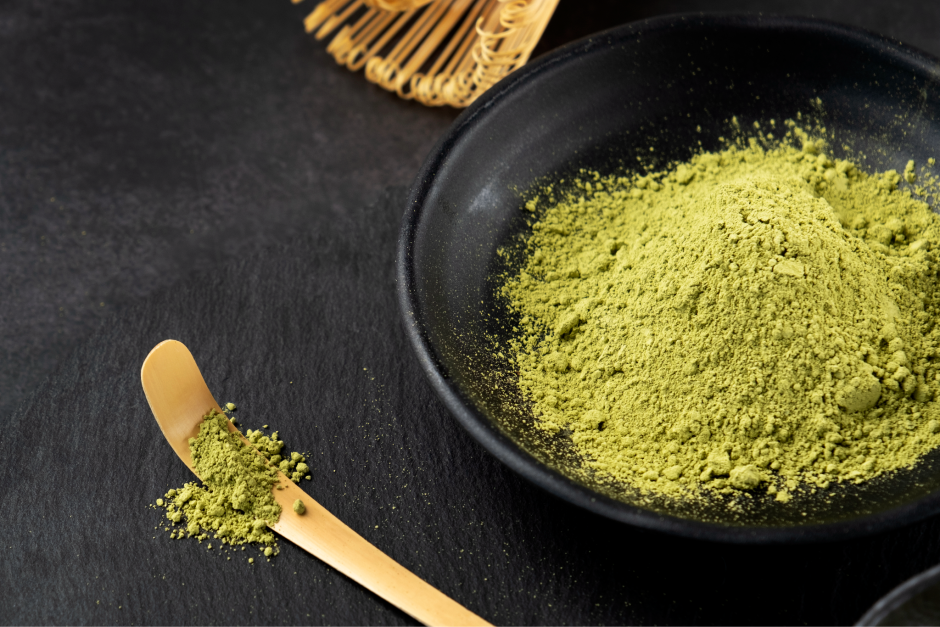
Not all botanical powders are created equal. Some are carefully processed, properly stored, and supported by detailed testing information. Others arrive with little explanation about their origin, composition, or handling. For anyone researching premium kratom powder, understanding these differences is an important starting point.
Kratom comes from the leaves of Mitragyna speciosa, a tropical tree native to Southeast Asia. Although the plant has a long history of traditional use, modern commercial products vary considerably in their composition and quality.
The word “premium” appears frequently in product descriptions. But what does it actually mean? And how can consumers distinguish meaningful quality standards from attractive marketing language?
The answers begin with transparency, independent testing, and responsible manufacturing practices.
What Is Premium Kratom Powder?
Premium kratom powder generally refers to finely ground kratom leaves marketed as meeting particular standards for sourcing, processing, cleanliness, and consistency.
However, there is an important distinction: “premium” is not an officially standardized quality classification. Different suppliers may use the term according to their own criteria.
This makes product documentation especially valuable.
A manufacturer may describe its powder as premium because it uses carefully selected leaves. Another may emphasize laboratory testing, controlled processing conditions, or packaging designed to protect the product from environmental exposure.
None of these characteristics should automatically be assumed from the product name alone.
Consumers should instead look for specific, verifiable information that explains how the product was produced and evaluated.
Why Botanical Sourcing Matters
The journey from a tropical tree to a packaged botanical powder involves several stages.
Kratom trees grow naturally in parts of Southeast Asia, where environmental conditions influence plant development. Climate, soil characteristics, harvesting practices, and seasonal changes can all contribute to differences in the chemical composition of harvested leaves.
Two batches originating from the same region may therefore contain different concentrations of naturally occurring compounds.
This variability is particularly relevant because kratom contains biologically active alkaloids, including mitragynine and 7-hydroxymitragynine.
Their concentrations can differ between products, and these differences may affect their pharmacological properties and associated risks.
For this reason, reliable sourcing involves more than identifying a country of origin.
Meaningful traceability may include information about:
- The geographical region where leaves were harvested.
- The methods used to collect and handle plant material.
- Conditions during drying and transportation.
- Batch identification and processing records.
- Laboratory testing performed on finished products.
A supplier that provides clear information about these processes offers consumers a better basis for evaluating its claims.
Processing and the Importance of Consistency
Once harvested, kratom leaves undergo preparation before becoming a powder.
Drying is an important part of this process. Excessive moisture can encourage microbial growth, while poor storage conditions may compromise the quality of botanical material.
Grinding introduces additional considerations.
Equipment cleanliness, particle size, handling procedures, and protection against cross-contamination can all influence the characteristics of the finished powder.
When researching premium kratom powder, consumers should pay attention to whether a supplier describes its manufacturing and quality-control procedures.
Consistency is particularly important.
A product that looks similar from one batch to another is not necessarily chemically identical. Visual appearance alone cannot establish purity, alkaloid content, or freedom from contamination.
This is why documented testing provides considerably more useful information than color, texture, or marketing descriptions.
Laboratory Testing: A Critical Quality Indicator
Independent laboratory analysis is one of the most meaningful factors in evaluating botanical products.
Kratom products may present contamination risks involving microorganisms, heavy metals, or other unwanted substances.
Laboratory testing can help identify these concerns, provided the testing methods are appropriate and the results correspond to the actual product batch.
A certificate of analysis, often abbreviated as COA, may include information about microbial contamination, heavy-metal concentrations, and alkaloid composition.
Consumers reviewing a certificate should consider several questions.
Was the testing performed by an independent laboratory? Does the report identify the tested batch? Are the results recent and relevant to the product being offered? Does the document specify which substances were analyzed?
These details matter.
A generic statement such as “laboratory tested” provides limited reassurance without supporting documentation.
Similarly, a certificate from an unrelated batch cannot establish the characteristics of the product currently available.
Premium kratom powder should not be considered safe simply because a seller uses reassuring terminology. Testing improves transparency, but it does not eliminate the pharmacological risks associated with kratom itself.
Understanding Kratom Powder Colors and Product Labels
Commercial kratom powders are frequently marketed using terms such as red vein, green vein, and white vein.
These labels are widely recognized within the kratom market, but they do not represent universally standardized chemical categories.
Products carrying the same color designation may differ in alkaloid composition depending on their origin, processing, and individual batch characteristics.
Marketing descriptions sometimes associate these colors with particular experiences. Such claims should be approached cautiously because product labels alone cannot reliably predict individual effects.
The appearance of the powder is also insufficient for determining its composition.
A darker or lighter shade does not independently establish higher quality, greater purity, or a particular alkaloid concentration.
For meaningful product evaluation, analytical data is more informative than color-based assumptions.
Why Responsible Storage Is Important
Storage conditions influence the preservation of many dried botanical materials.
Exposure to moisture, excessive heat, and direct sunlight can affect the condition of plant powders over time.
Packaging should therefore provide suitable protection against environmental contamination and humidity.
Clearly labeled containers are also important.
Useful packaging information may include the product name, batch number, packaging date, storage instructions, and manufacturer or distributor details.
Kratom products should be kept securely away from children and pets.
Because kratom contains active compounds and can cause serious adverse effects, secure storage is a safety consideration rather than simply a matter of maintaining product freshness.
Health Risks That Should Not Be Overlooked
Discussions about botanical quality sometimes focus so heavily on purity that they overlook the risks associated with the plant itself.
Kratom is not risk-free.
Reported adverse effects include nausea, constipation, dizziness, sedation, and dependence. More serious complications, including seizures and liver injury, have also been reported.
Kratom can interact with medications and other substances. Combining it with alcohol, opioids, sedatives, or other central nervous system depressants may increase the risk of serious harm.
Another concern involves concentrated or chemically altered products marketed alongside traditional leaf powders. These products may differ substantially in their composition and risk profile.
Kratom has not been established as a safe or effective treatment for medical conditions, and it should not replace evidence-based healthcare.
Anyone considering a kratom product should consult a qualified healthcare professional, particularly when taking medication or managing an existing health condition.
Transparency Matters More Than Marketing Claims
The botanical marketplace includes suppliers with different approaches to documentation, manufacturing, and customer communication.
For consumers researching companies such as Best Deal Botanicals, the most useful approach is to evaluate publicly available product information rather than relying solely on promotional descriptions.
A transparent supplier should make it reasonably straightforward to understand what a product contains, how it is identified, and what quality-control information is available.
Unsubstantiated claims deserve particular scrutiny.
Terms such as “pure,” “natural,” and “premium” do not independently demonstrate safety.
Likewise, a botanical product should not be assumed harmless simply because its ingredients originate from a plant.
Meaningful transparency requires specific information that consumers can evaluate.
Frequently Asked Questions About Premium Kratom Powder
What makes kratom powder premium?
The term generally suggests attention to sourcing, processing, consistency, and quality control. However, because there is no universal premium classification, consumers should seek verifiable documentation rather than relying on the label.
Is premium kratom powder necessarily safer?
No. Improved manufacturing controls and contamination testing may address certain product-quality concerns, but they do not remove kratom’s inherent pharmacological risks.
Can the quality of kratom powder be determined by its color?
No. Color alone cannot establish purity, chemical composition, or safety. Laboratory analysis provides more meaningful information.
Why are batch-specific laboratory reports important?
Kratom is a botanical material with naturally variable chemical composition. Batch-specific reports provide information about the particular material tested rather than relying on results from an unrelated production batch.
Is kratom approved as a medical treatment?
Kratom is not approved by the U.S. Food and Drug Administration as a treatment for any medical condition. Claims that it can safely treat pain, anxiety, opioid withdrawal, or other health conditions should not be accepted without appropriate clinical evidence.
Does natural origin guarantee product safety?
No. Many naturally occurring substances have significant biological effects. Kratom contains active alkaloids and can cause adverse reactions, interactions, and dependence.
Final Thoughts: Making Quality a Question of Evidence
The growing availability of botanical products has made quality assessment increasingly important.
When evaluating premium kratom powder, the most useful indicators are not elaborate packaging, attractive descriptions, or promises of exceptional results.
They are traceability, accurate labeling, appropriate manufacturing practices, and credible laboratory documentation.
These factors help consumers understand what they are examining and identify potential product-quality concerns.
Nevertheless, product purity and product safety are not interchangeable concepts. Even carefully processed kratom can carry meaningful health risks.
Ultimately, responsible evaluation means looking beyond the word “premium” and asking a more important question: what verifiable evidence supports the claims being made?
